


Adapting to Urban Living
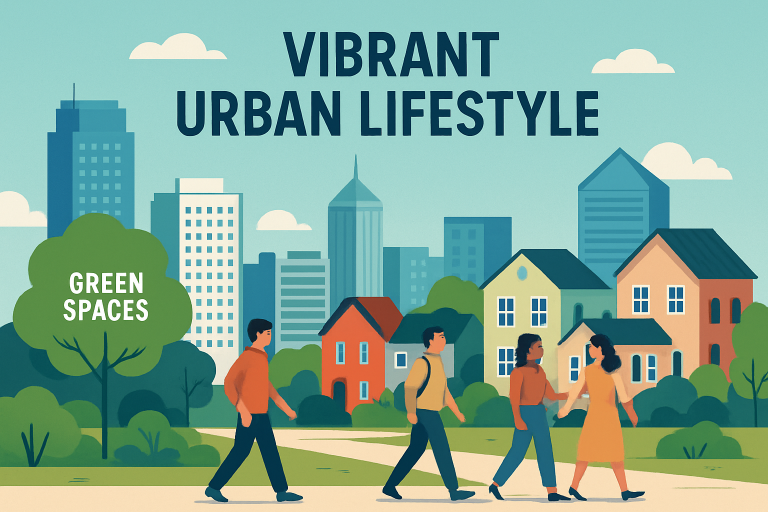
Many homebuyers find city living appealing due to its opportunities, excitement, and connection. Urban areas offer boutiques, coffee shops, international dining, and cultural venues, encouraging exploration. Short commutes and recreational options make city life attractive for professionals and families seeking balance and vibrancy.
The landscape of urban homeownership is evolving rapidly, fueled by changing demographics, cultural shifts, and redefined work routines. City neighborhoods like Midtown are at the epicenter of this movement, attracting buyers with their lively atmosphere, diverse communities, and proximity to world-class amenities. For those interested in joining the wave of modern city dwellers, exploring Midtown homes for sale can be an excellent starting point, offering access to a vibrant urban lifestyle.
Weighing the Pros and Cons
Weigh the benefits and drawbacks before choosing an urban home. Advantages include walkability, nearby amenities, and proximity to cultural and employment centers. City dwellers enjoy spontaneity, with entertainment and essentials close by. However, urban buyers face higher prices, limited space, and parking or traffic issues. The choice depends on personal priorities—sacrificing space for a vibrant city scene. Buyers now prioritize location and lifestyle over size or lot space, finding that urban living offers long-term personal and financial satisfaction
Balancing Convenience and Community
Modern homebuyers often seek more than convenience—they want to feel rooted, supported, and included in their community. Urban neighborhoods can achieve this balance through active homeowner groups, local events, and co-working hubs that foster relationships. Weekend farmer’s markets, neighborhood festivals, and meetups in communal parks help bridge the gap between the energy of the city and the intimacy of small-town connections. For many, this harmonious mix of convenience and camaraderie makes city living so rewarding.
Creative Ways to Personalize Small Spaces
Smaller city homes challenge buyers to use their space efficiently without sacrificing personality or function. Flexible and multi-purpose furnishings—think Murphy beds, nesting tables, and storage ottomans—maximize every inch of a home. Wall-mounted shelving and modular cabinetry keep essentials organized while freeing up valuable floor space. Adding vibrant artwork, bold textiles, or curated collections of houseplants can transform even the most compact apartment into a uniquely personal refuge.
Managing City Noise and Traffic
Noise and congestion are common in cities, but practical strategies can reduce their impact. Installing soundproof windows or heavy curtains blocks street noise. Moving furniture to keep living and sleeping areas away from noisy windows helps buffer sound. White noise machines and noise-canceling headphones offer daily relief. When house hunting, choose homes set back from busy streets or in quieter neighborhoods for more tranquility.
Green Spaces and Wellbeing in the City
Access to nature remains a priority for urban dwellers seeking balance and wellbeing. Many city neighborhoods invest in accessible parks, rooftop gardens, and bike trails. Studies link green spaces to better mental health and lower stress, highlighting their importance. Green infrastructure is now a top buyer factor and a key selling point in urban real estate.
Conclusion
Urban living offers a unique blend of opportunity, convenience, and community, making it an appealing choice for modern homebuyers. Despite challenges like higher costs and noise, the rewards of cultural access, walkability, and vibrant neighborhoods outweigh the drawbacks.
